Iceland 2025
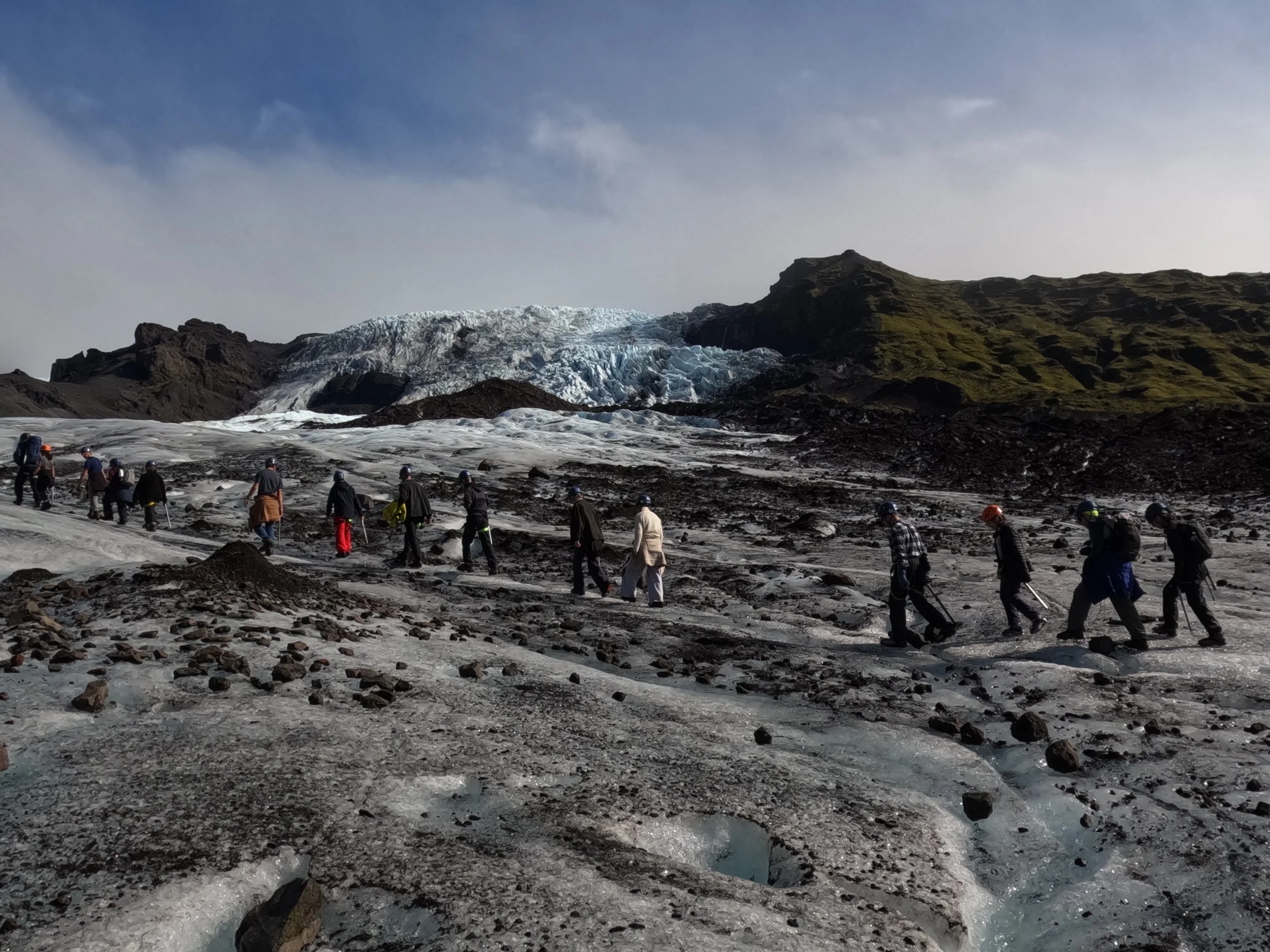
Iceland is one of the most fascinating places on Earth to study climate, energy, and the relationship between people and the natural environment. During my expedition, I explored glaciers, geothermal landscapes, and coastal ecosystems while speaking with guides, scientists, and locals about how climate change is already shaping life in the region.
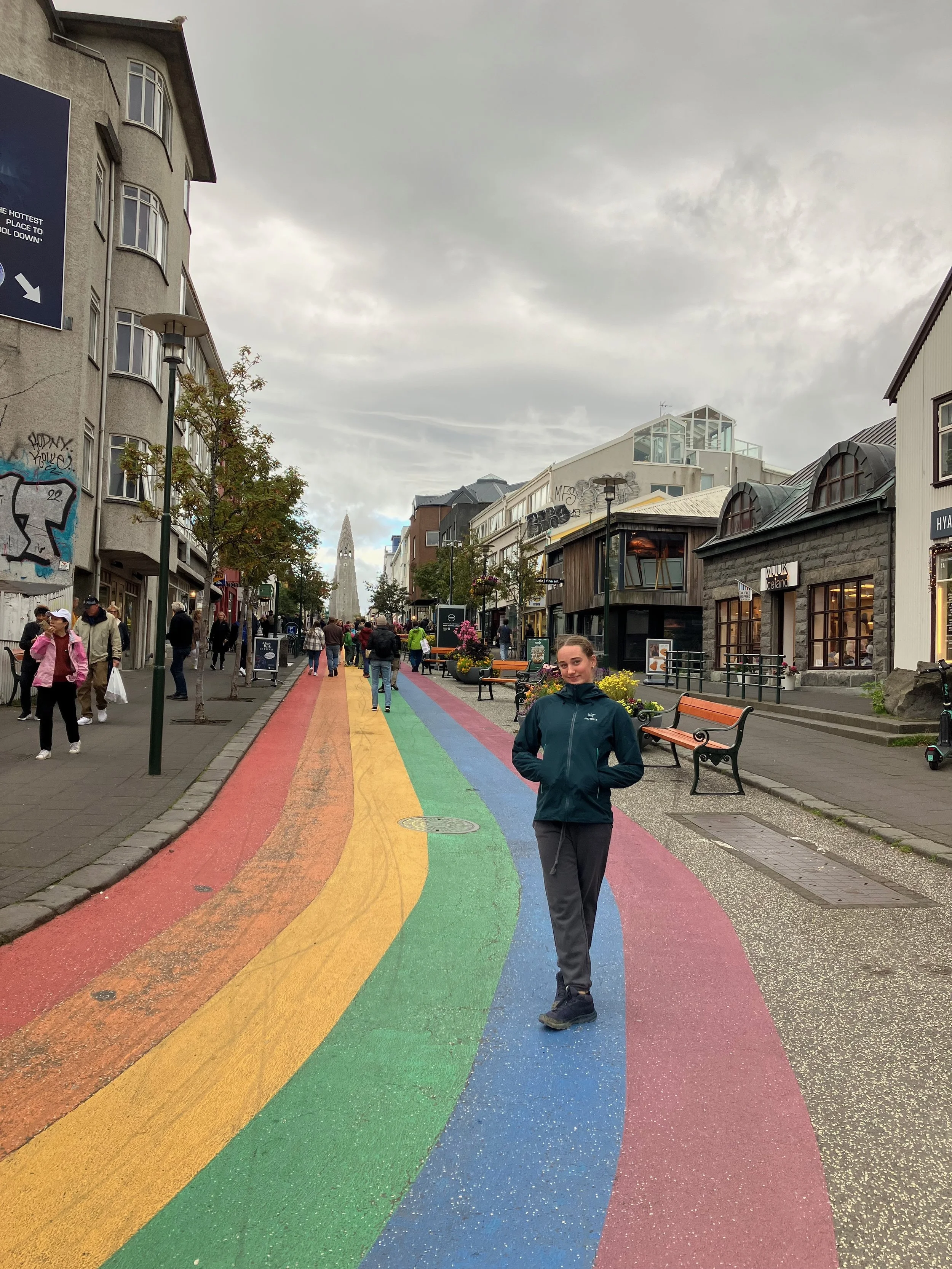
Field Observations
Energy and Infrastructure
Iceland is one of the most advanced countries in the world when it comes to renewable energy. Many homes are heated using geothermal energy, and electric vehicle infrastructure is widespread. Charging stations are common even in the most remote areas I visited, and many communities rely on geothermal or hydroelectric power instead of fossil fuels.
At the same time, Iceland’s environment presents unique challenges. Solar power is less reliable due to the country’s frequent cloud cover, and infrastructure must withstand extreme weather conditions such as powerful winds and heavy rain.
Life in a Remote Environment
One of the most striking aspects of Iceland is how isolated many homes and communities are. Houses often sit alone in vast landscapes of lava fields or near waterfalls, yet the roads remain extremely well maintained.
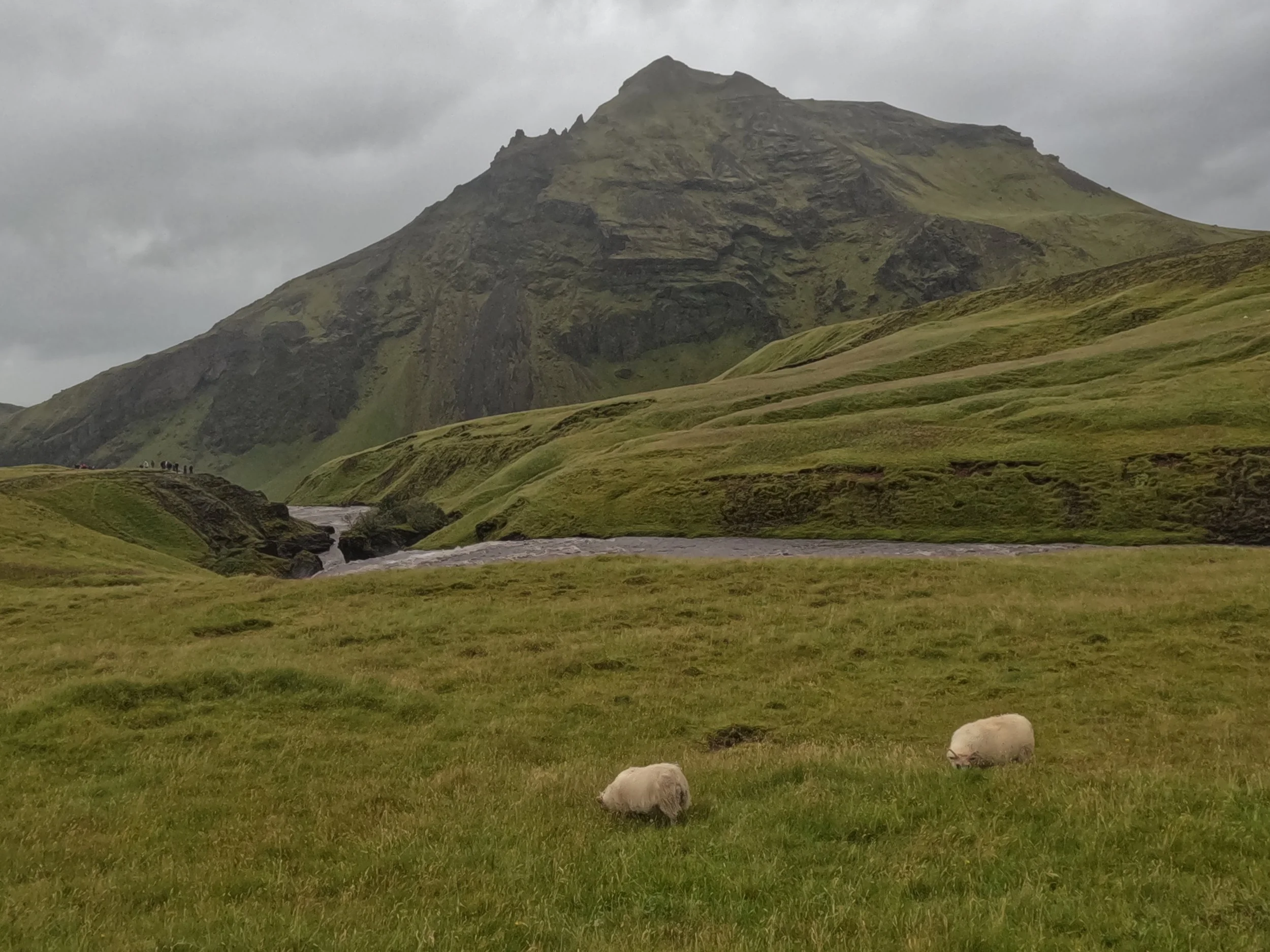
Wild horses, sheep, and cattle roam freely across the countryside, and many communities still maintain strong connections to traditional food systems.
Despite the harsh climate, the people I met were welcoming, resilient, and deeply connected to the natural world around them.
Climate Change In Iceland
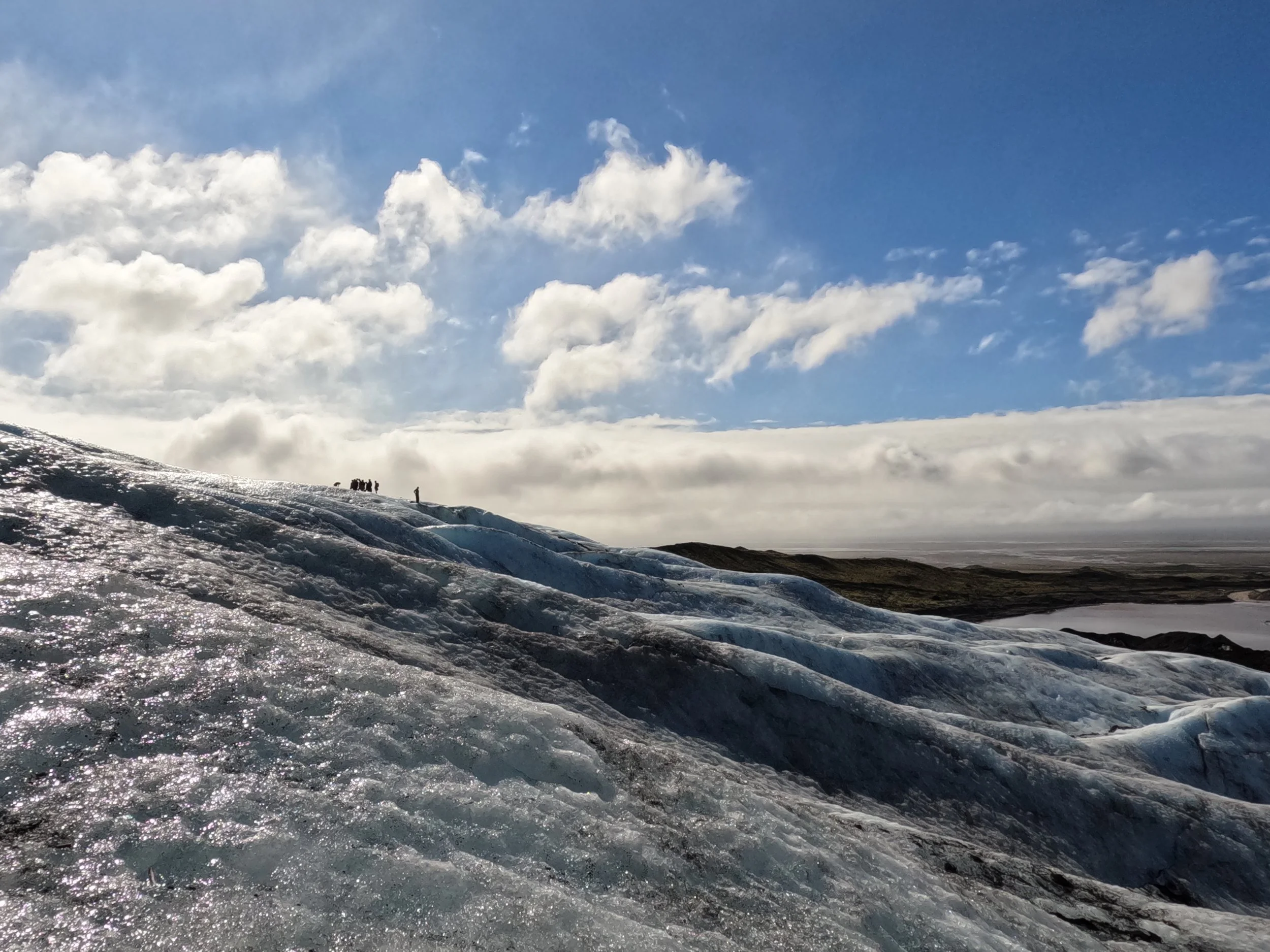
Iceland’s glaciers are among the most visible indicators of climate change. During my glacier hikes, the tour guides explained that many glaciers in the region are melting at an accelerating rate. Some projections suggest certain glaciers could disappear completely within the next 150 years if global warming continues.
As glaciers melt, they create large rivers and lakes while also eroding the land beneath them. This erosion can damage infrastructure and alter ecosystems that depend on stable freshwater sources.
Melting glaciers also threaten long-term water systems and agriculture. Changes in temperature are already affecting fish migration patterns, which could impact coastal communities that rely on fishing.
Key Ideas
The expedition also raised important questions about how we might slow the loss of glaciers around the world.
In some parts of Europe, scientists have experimented with covering glaciers with reflective materials to slow melting during summer months. While solutions like this are small in scale, they highlight the growing urgency to explore innovative approaches to climate adaptation.
Ultimately, the biggest lesson from Iceland is that local solutions alone cannot stop global climate change. Large countries and global systems must act together if we want to protect these environments.
Outcome - Research Paper
Following my time in Iceland, I wrote a research paper examining what it would take to build a world where climate change no longer defines our future. The project combined firsthand field observations with interviews and international research to explore why Iceland has become a global leader in renewable energy, and why so many other countries have failed to follow. My central conclusion was simple: the biggest obstacle is not the planet — it is people.